
Filters
4 products
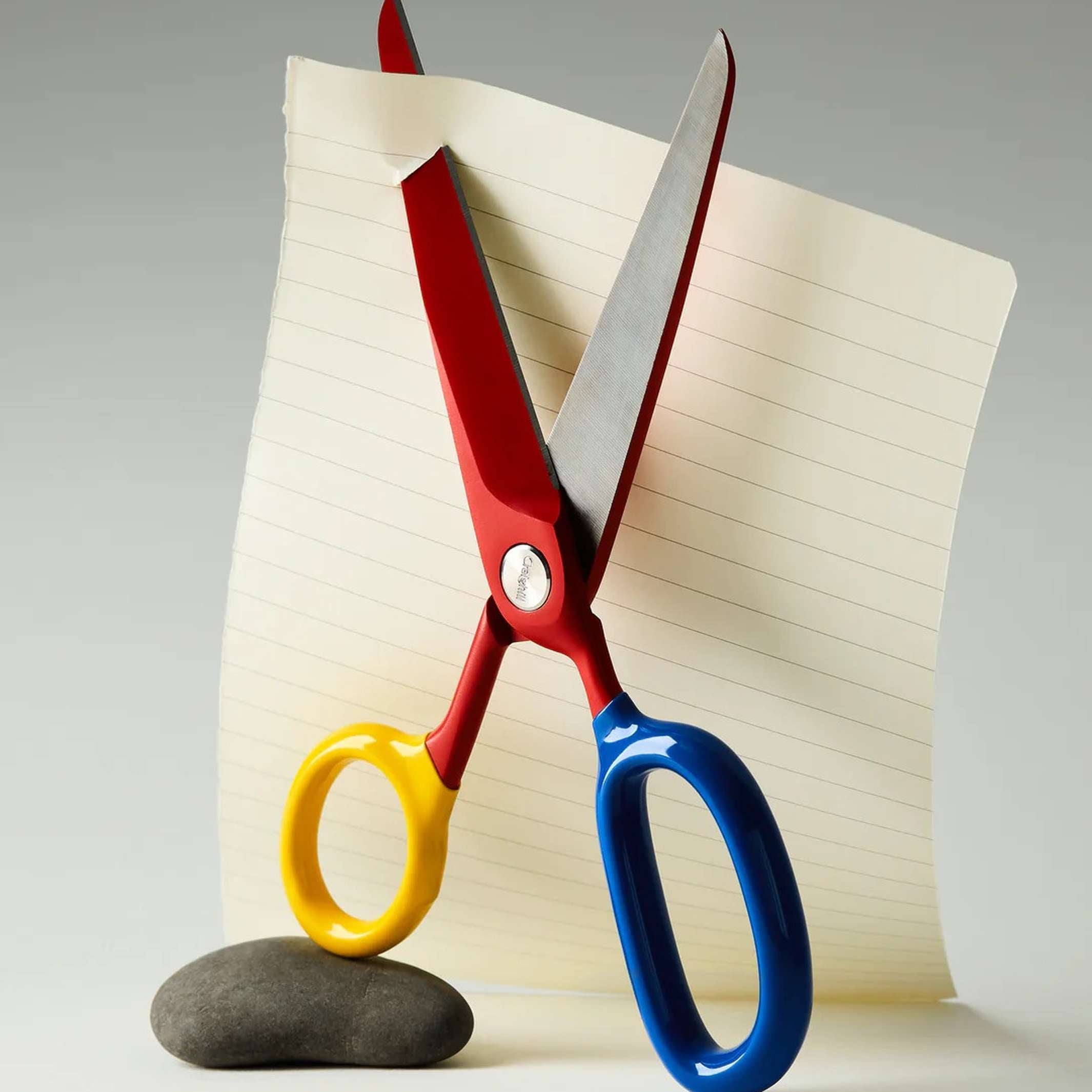
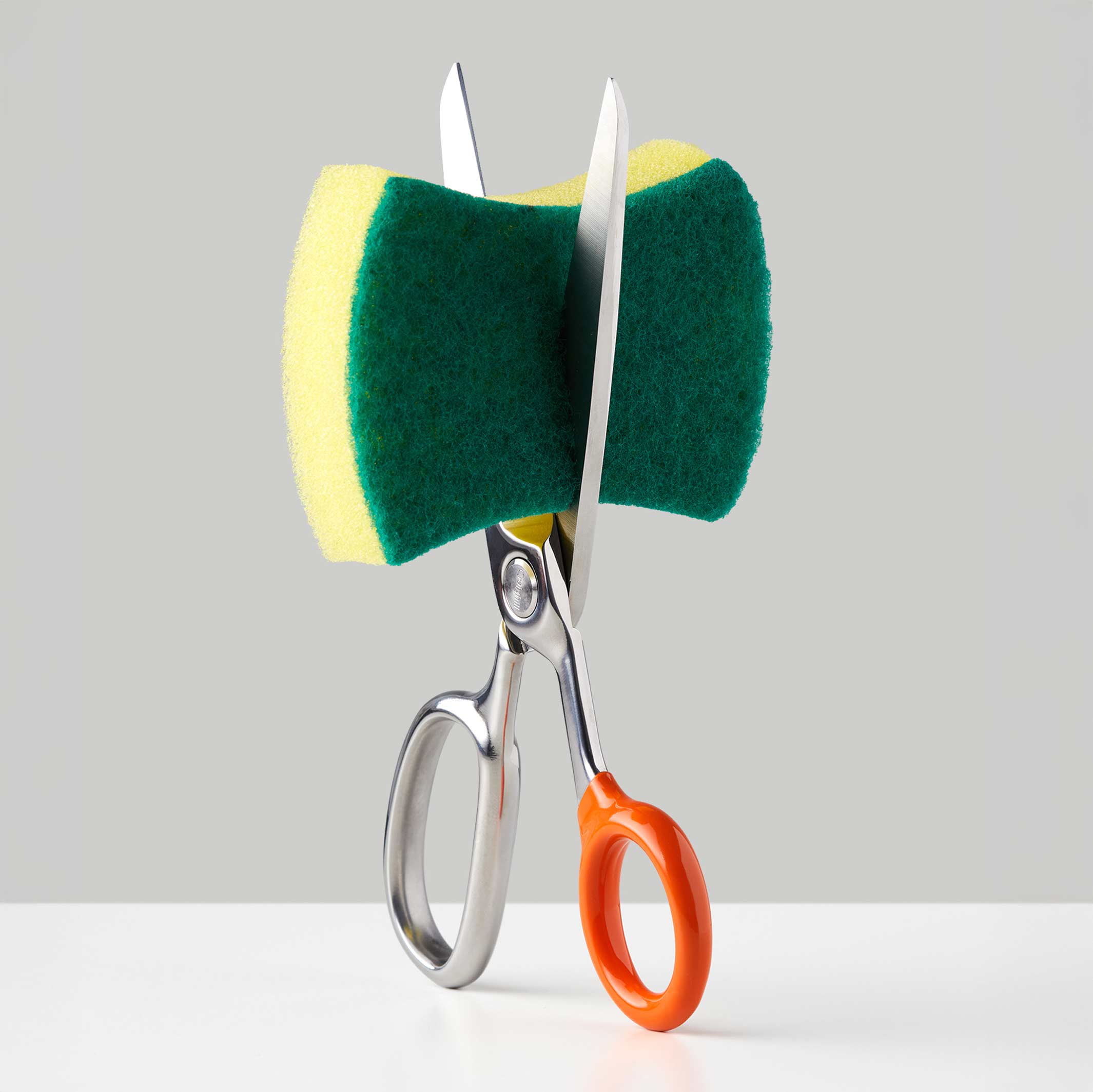
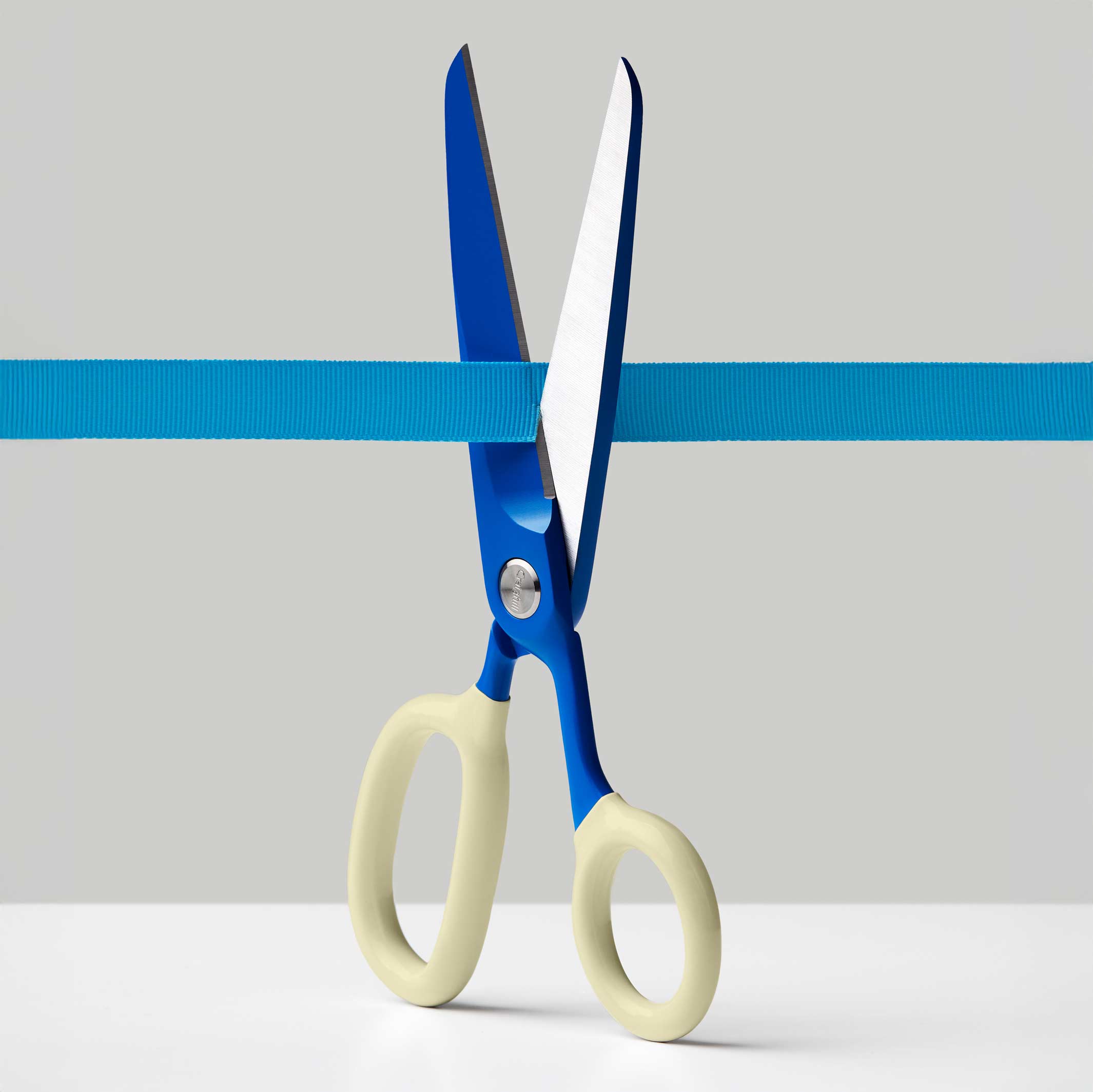
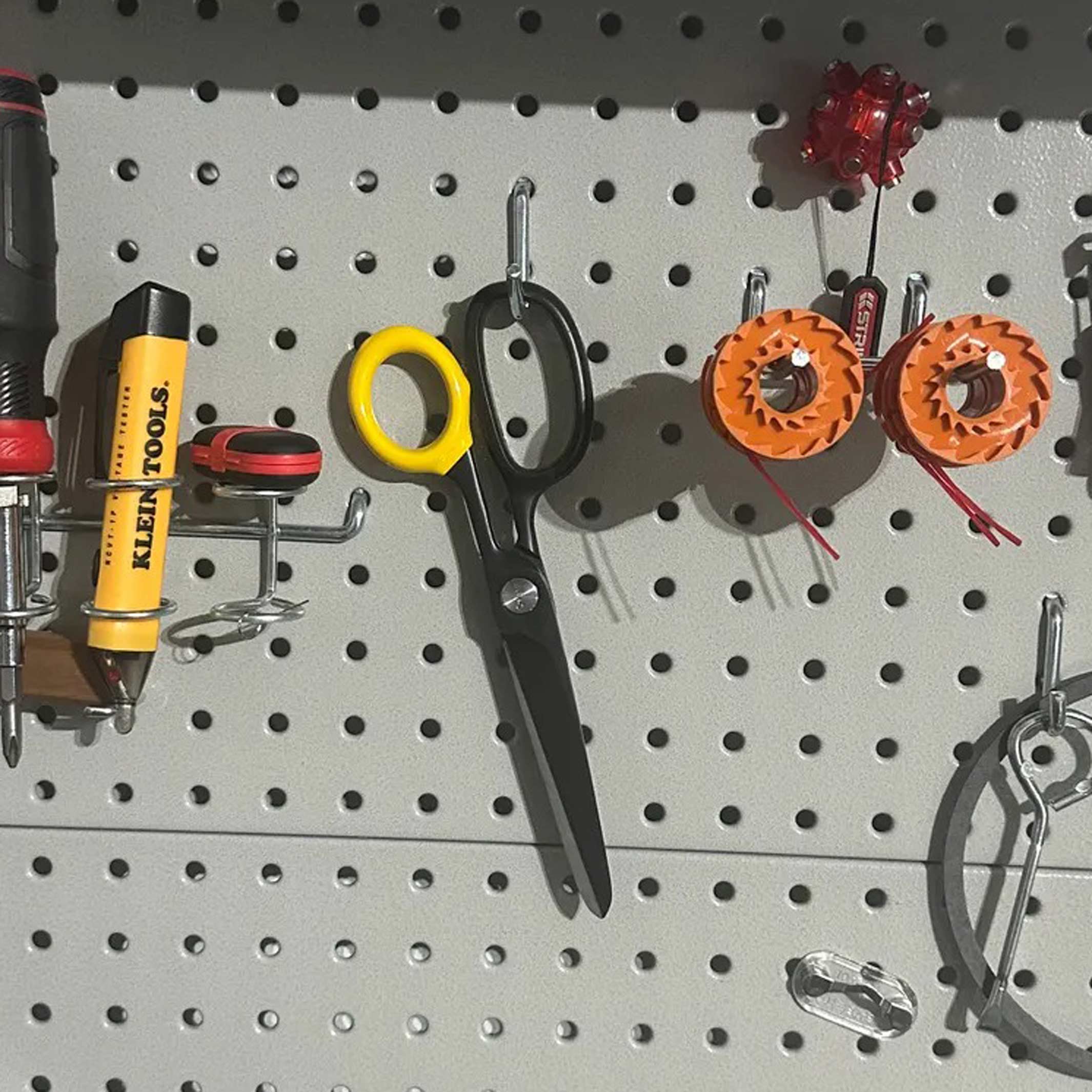
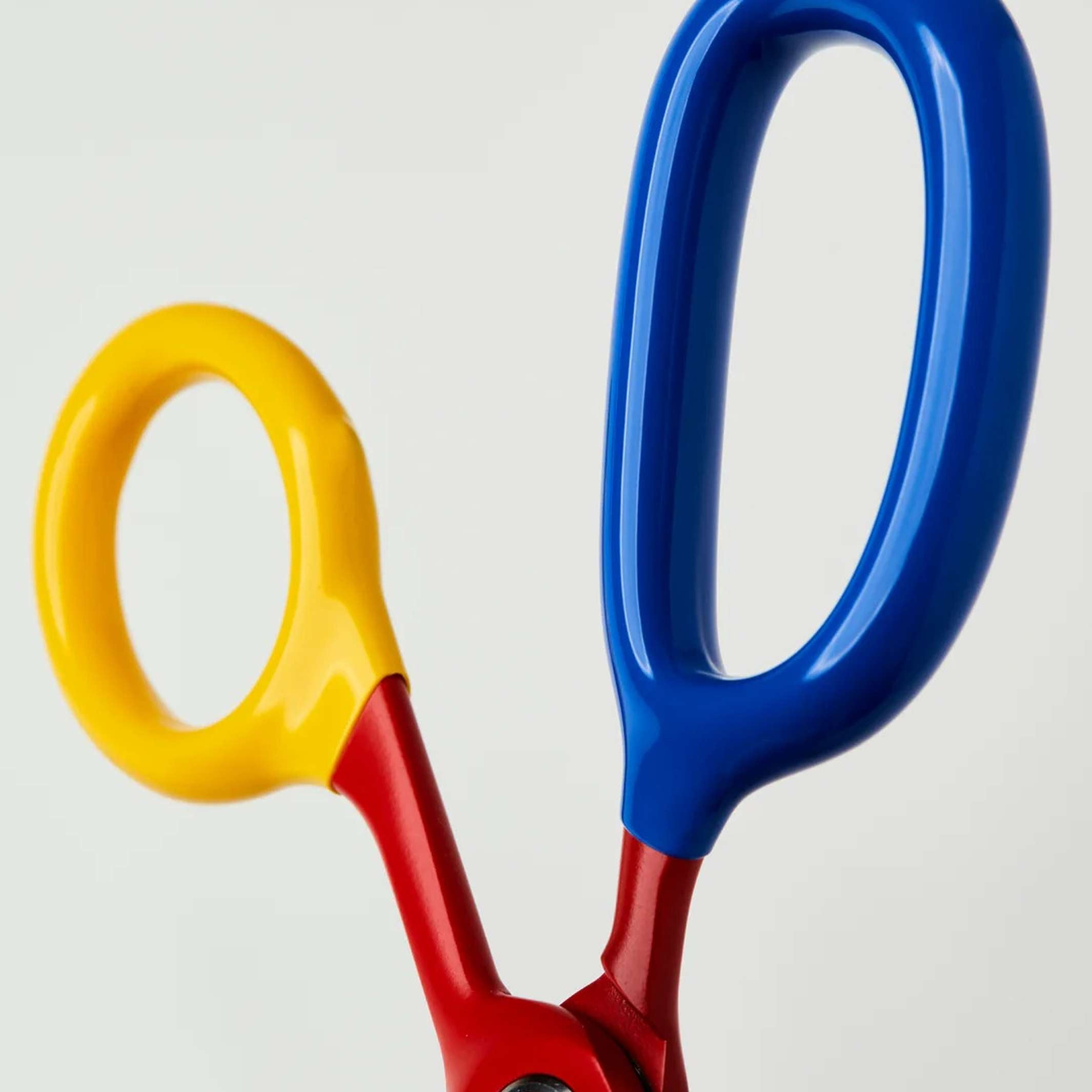
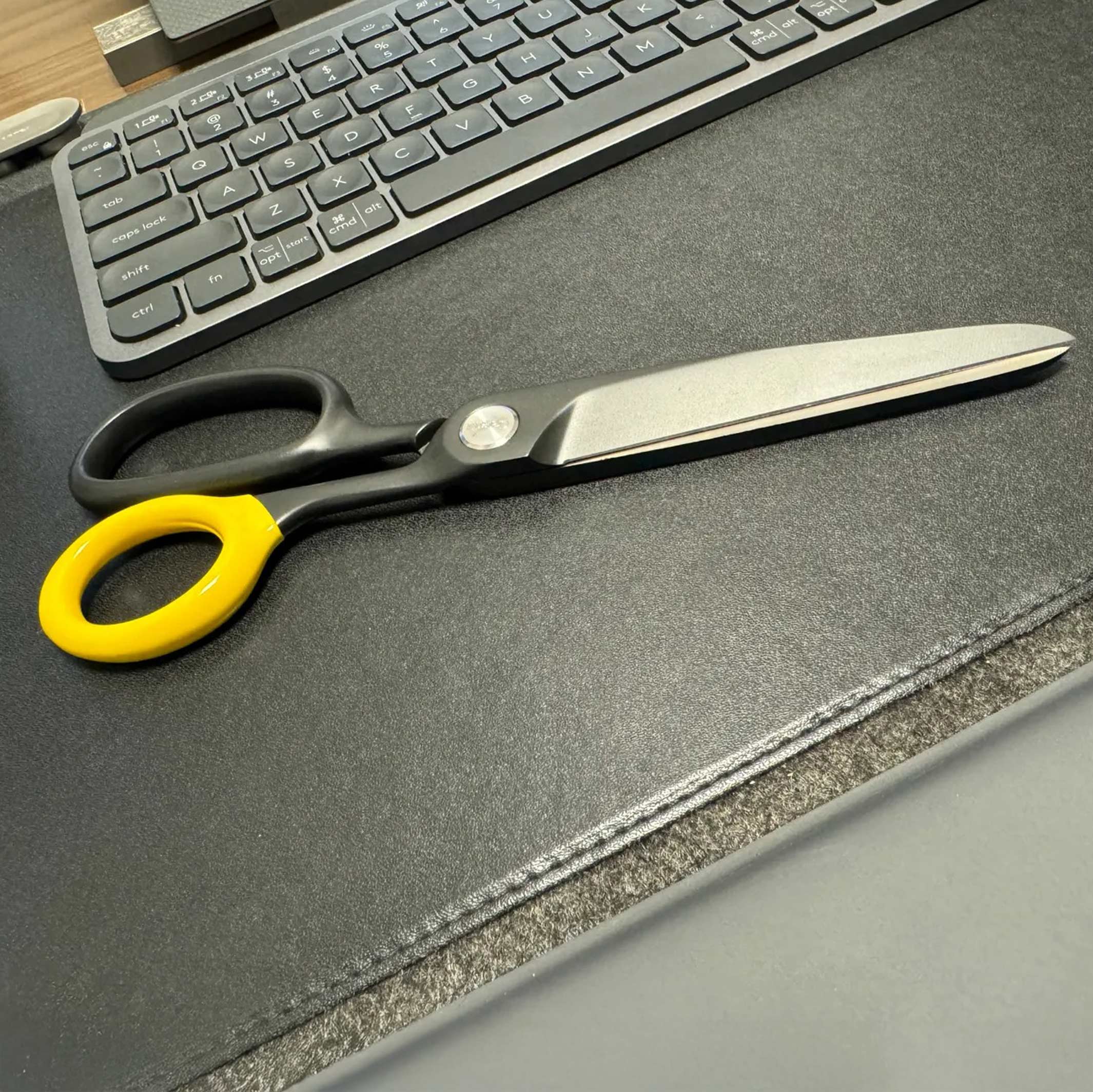
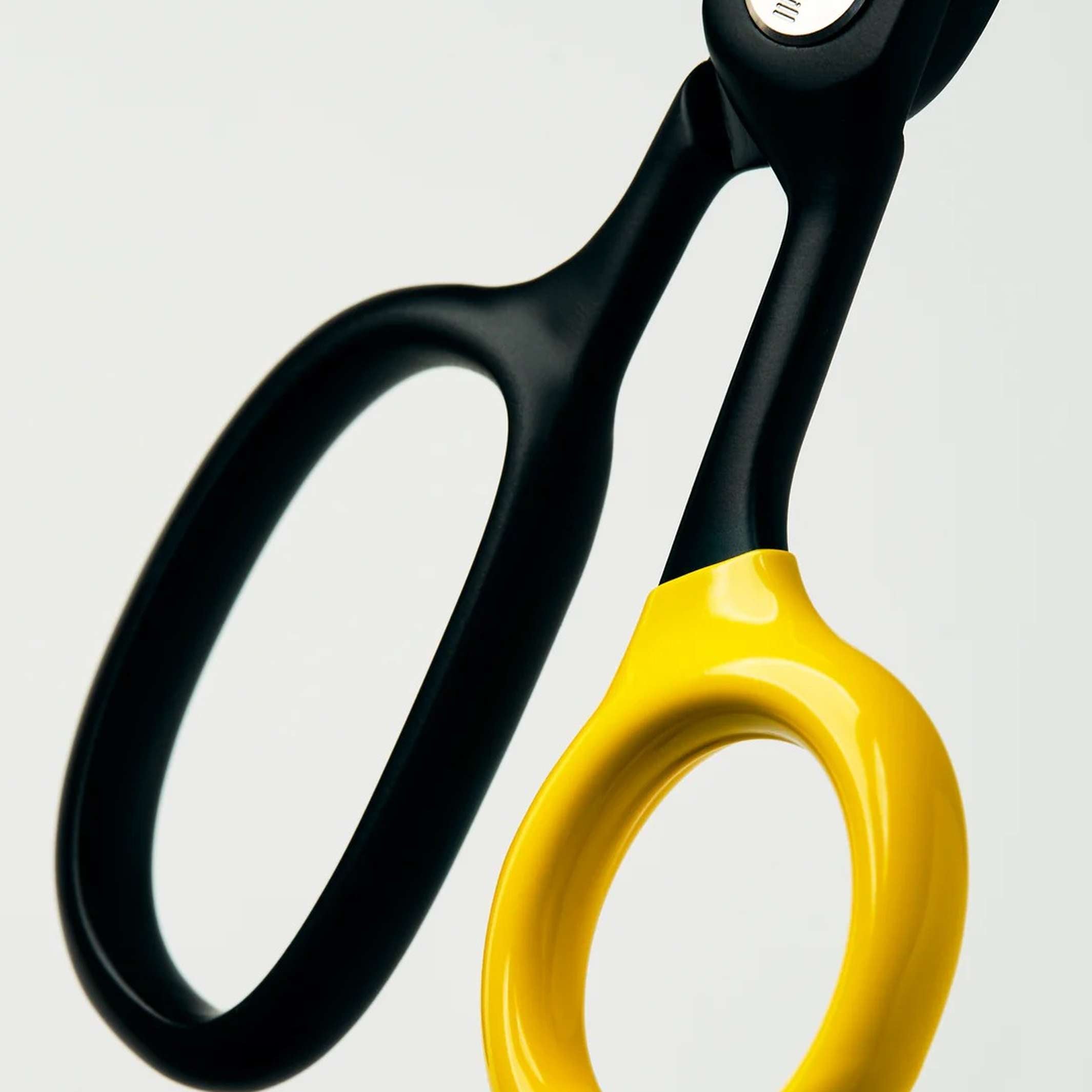

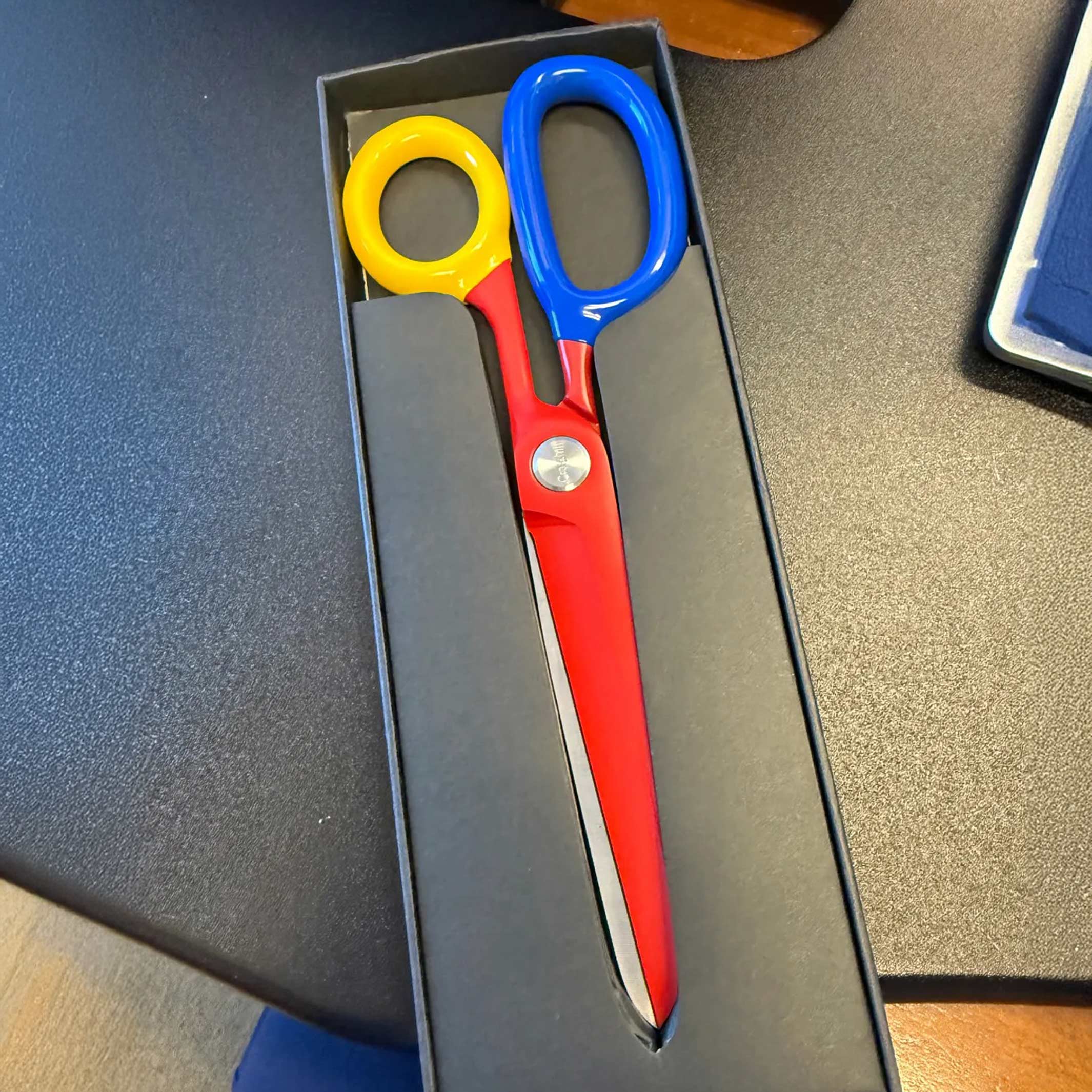
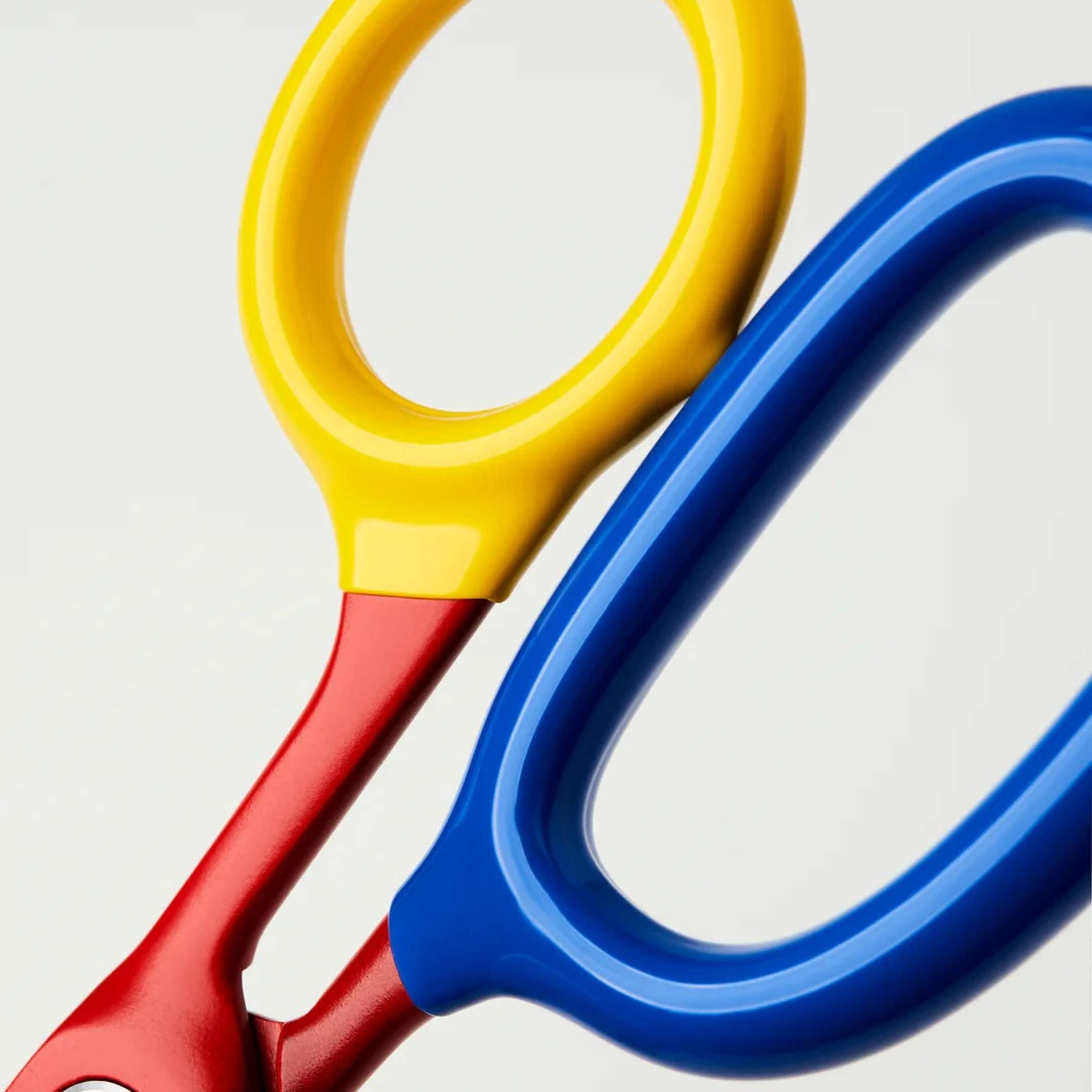
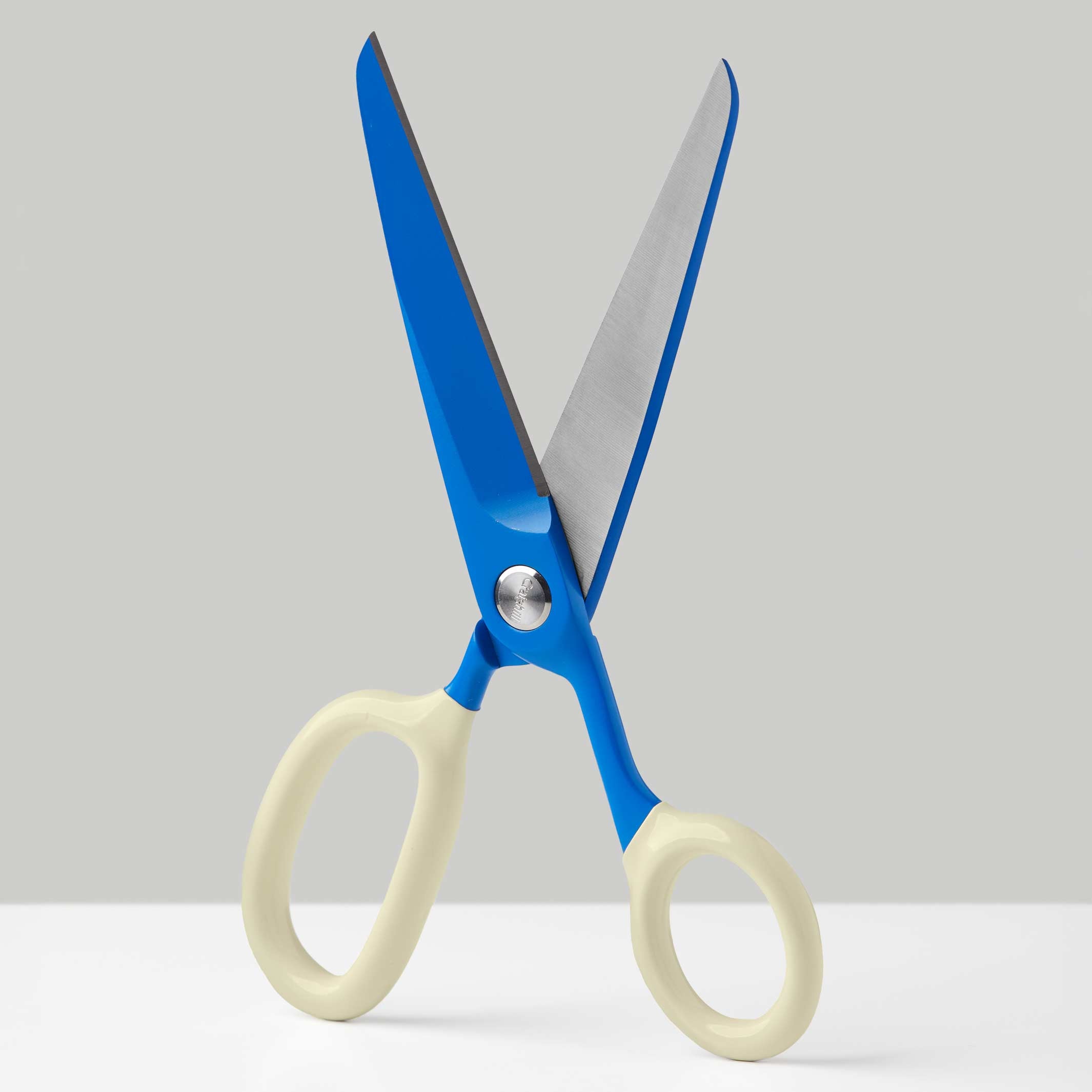
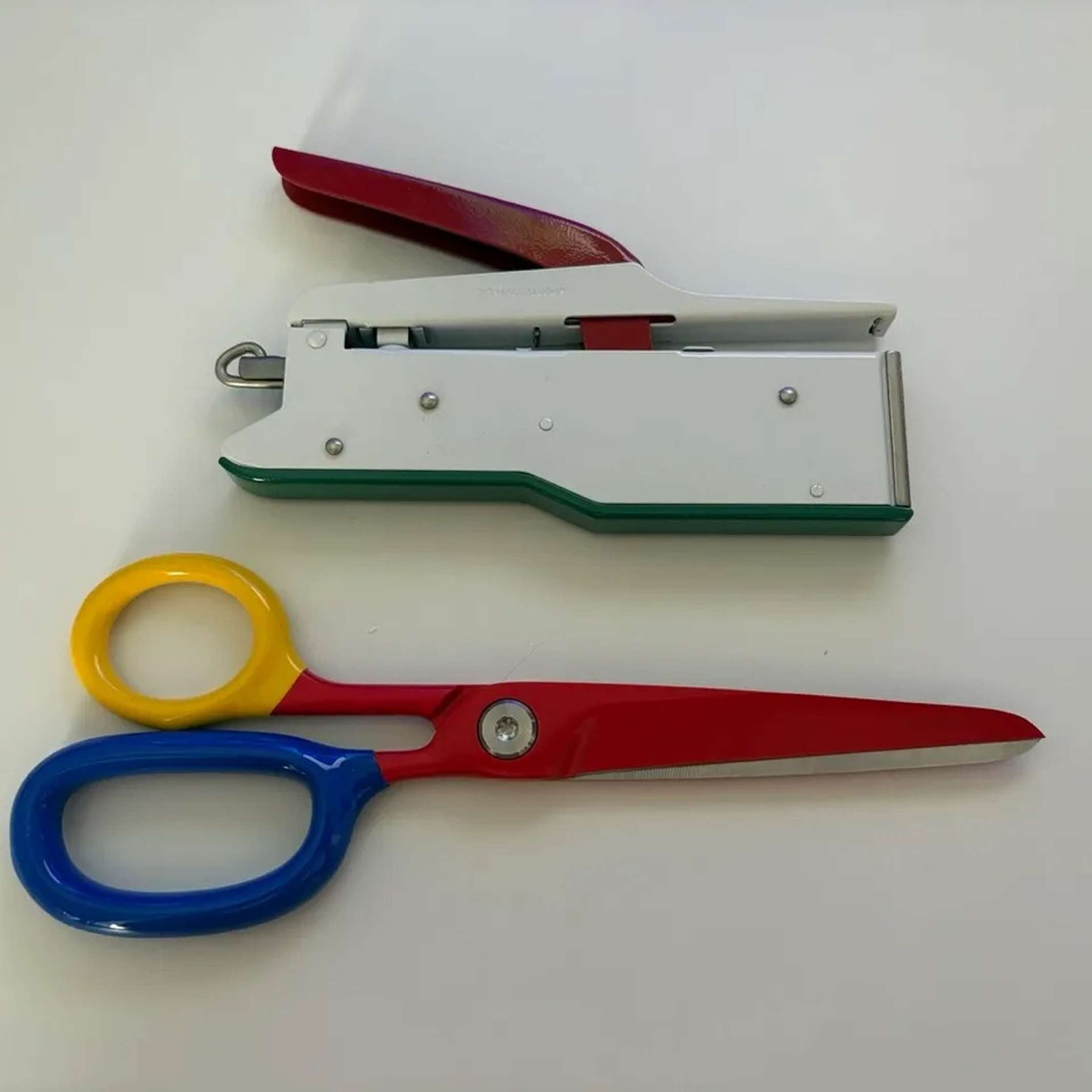
Scissors Chroma – Stainless Steel · 21.6 cm | Craighill
Rowac is one of Germany's oldest industrial furniture brands — founded in 1888 by Karl Robert Wagner in Chemnitz, expropriated in 1946, and faithfully reissued decades later. The Rowac Schemel is considered the world's first industrially produced steel stool and furnished the workshops and classrooms of the Bauhaus in Weimar, Dessau and Berlin. At Charles & Marie you'll find the reissued stool in two editions, plus the Bauhaus art print and the original workshop cloth.
Rowac at Charles & Marie
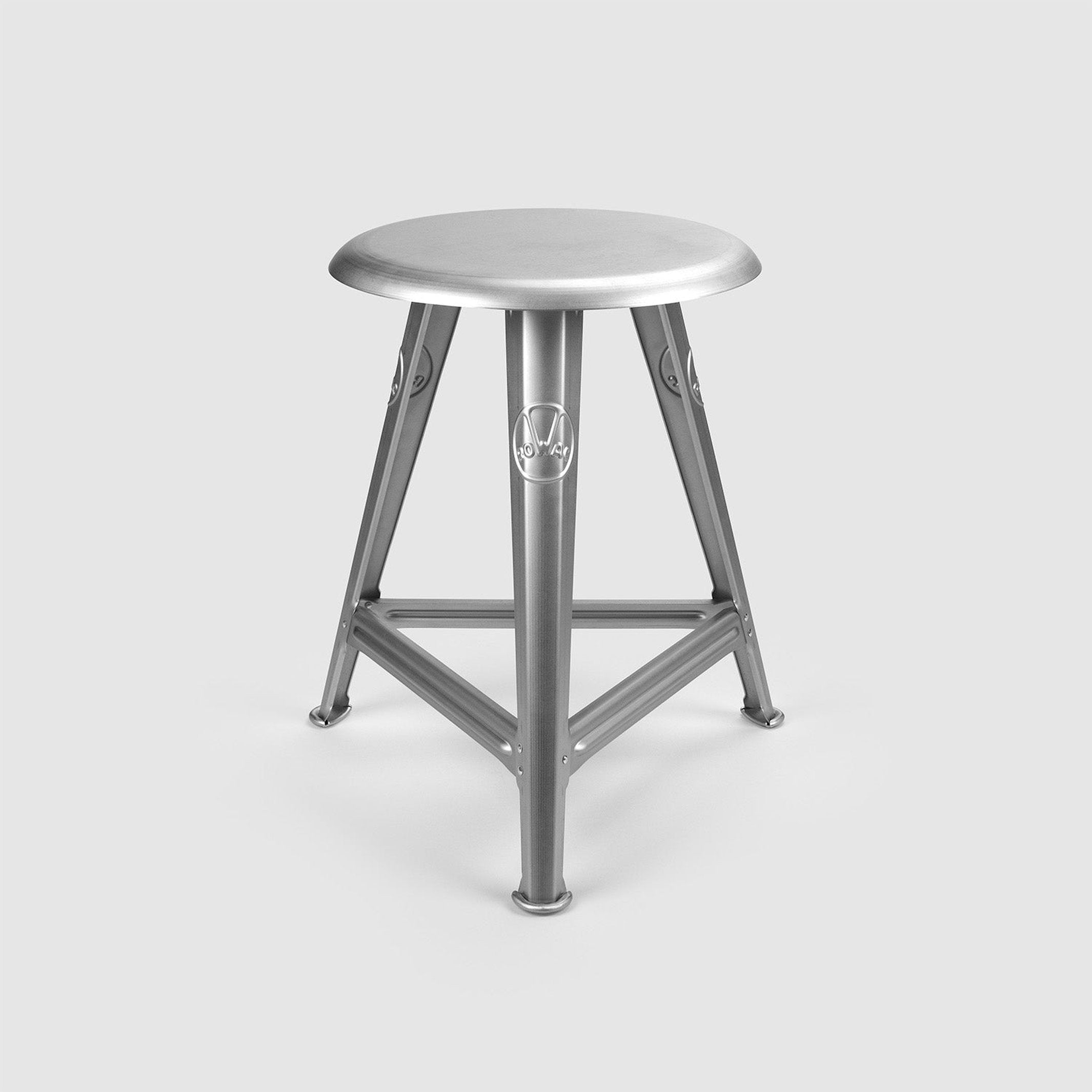
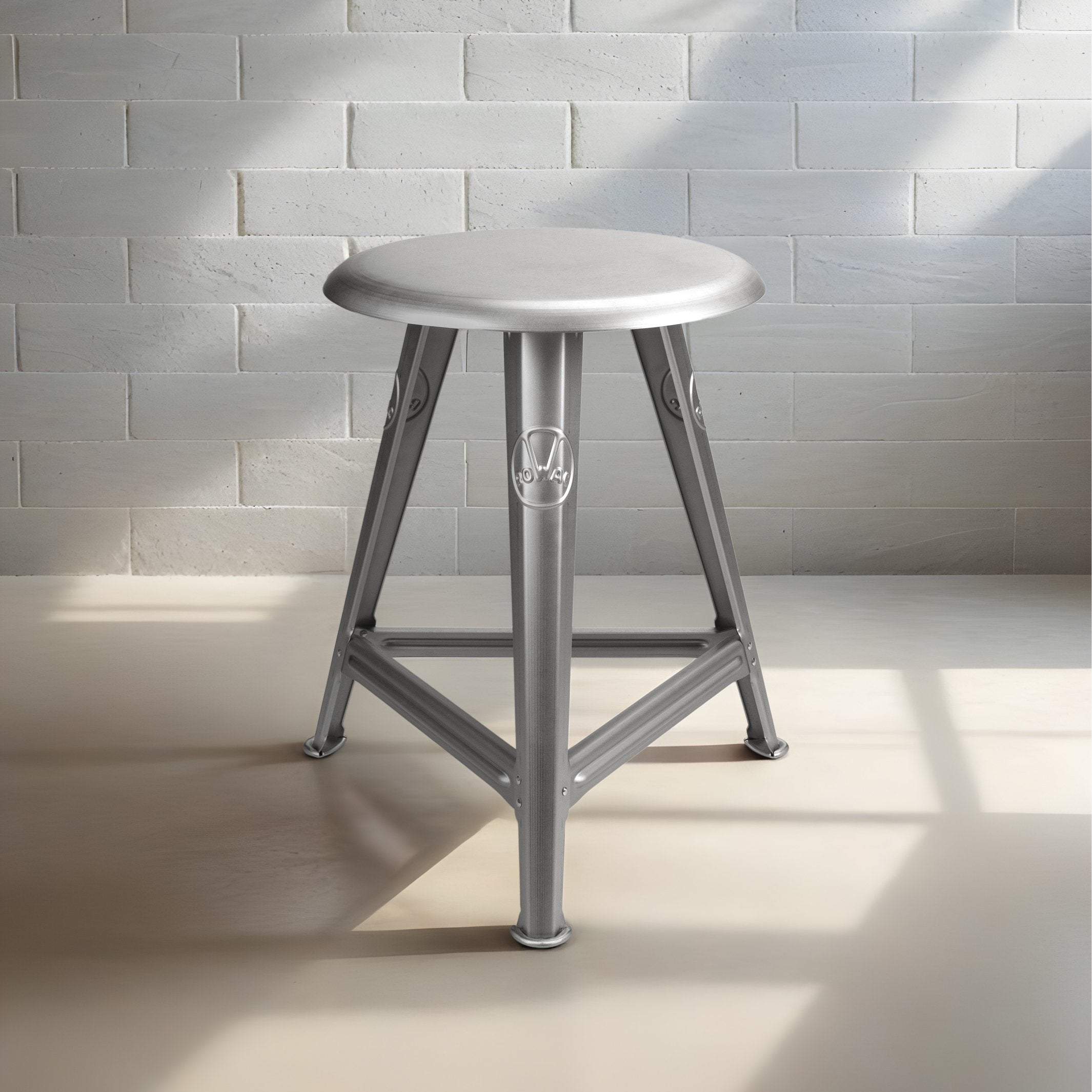
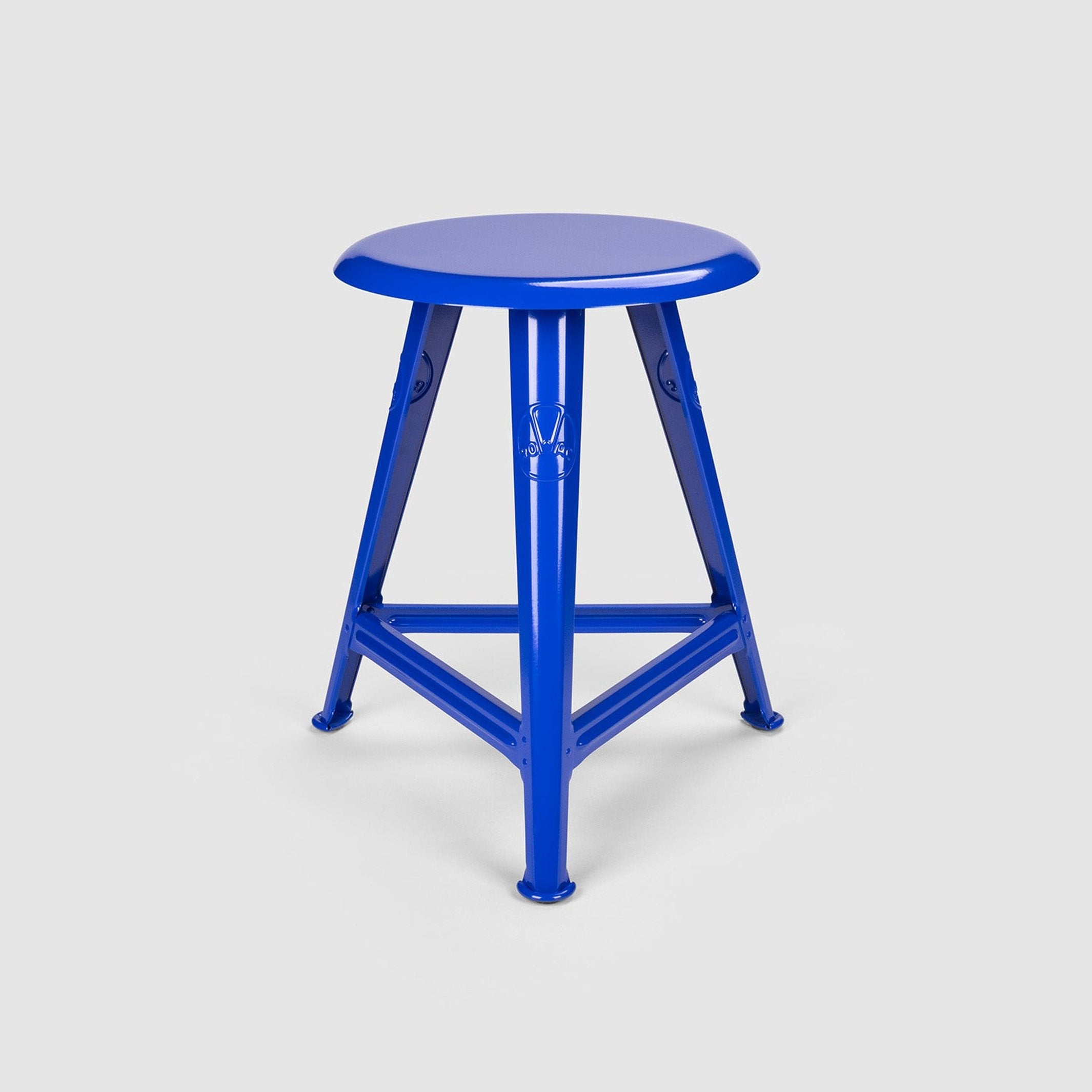
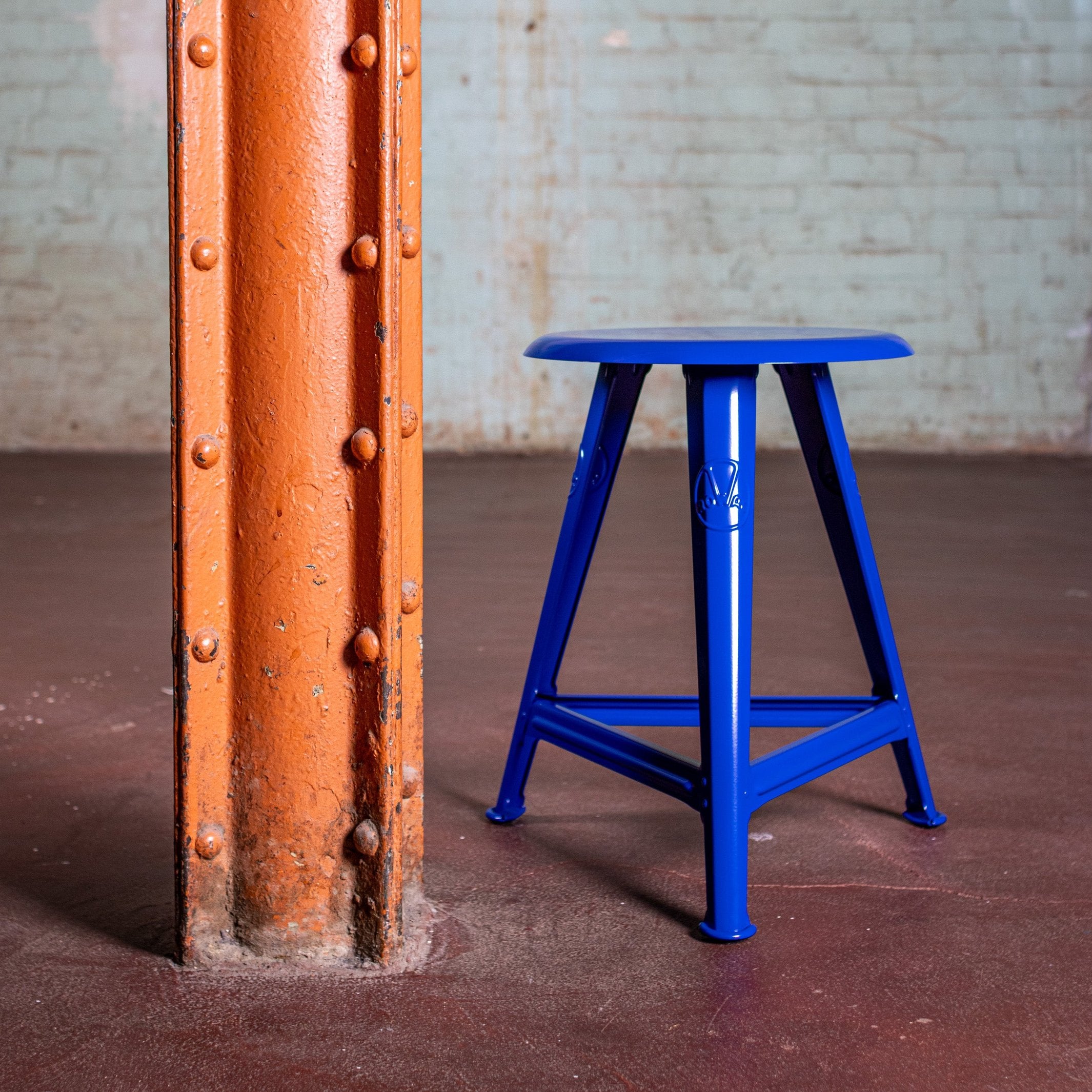
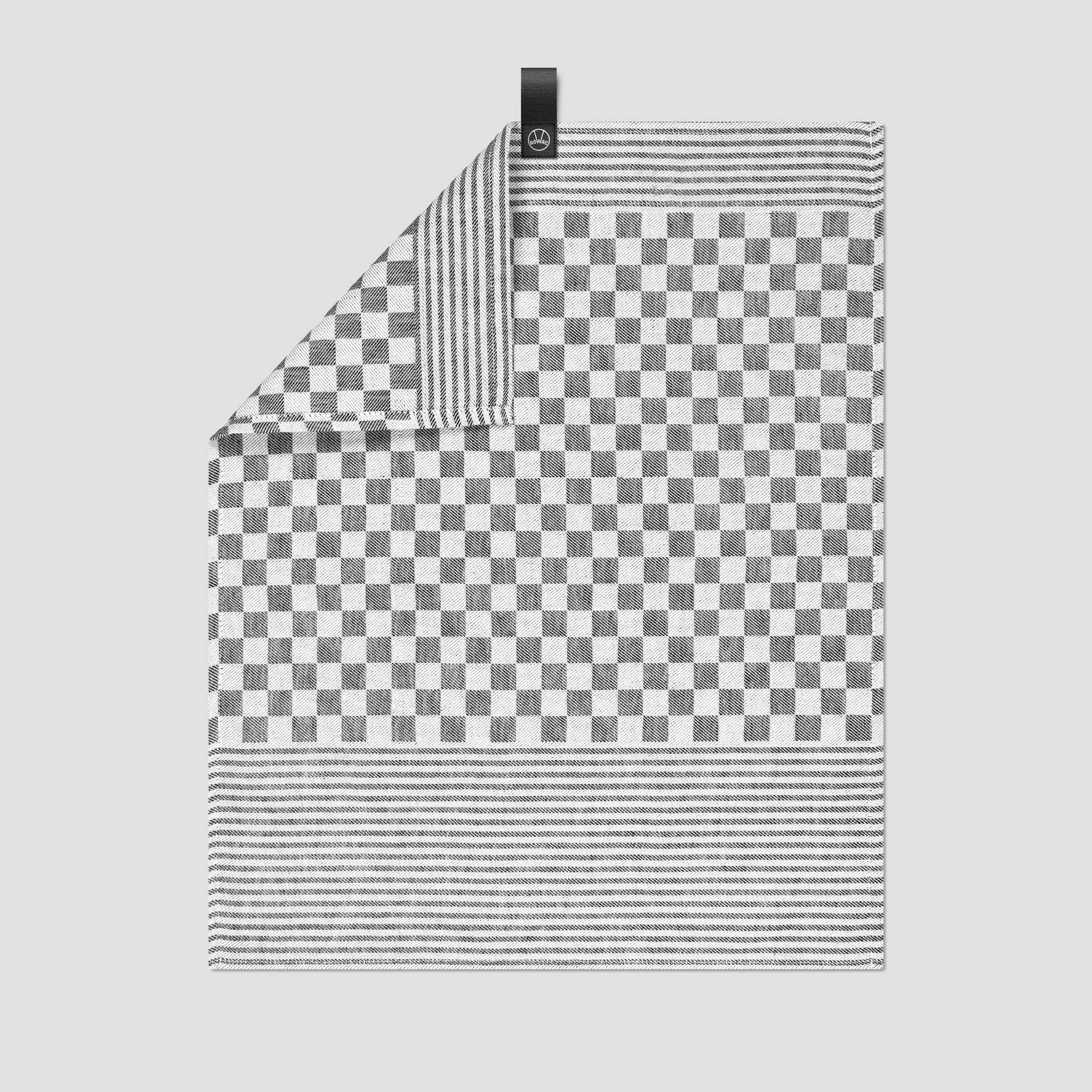
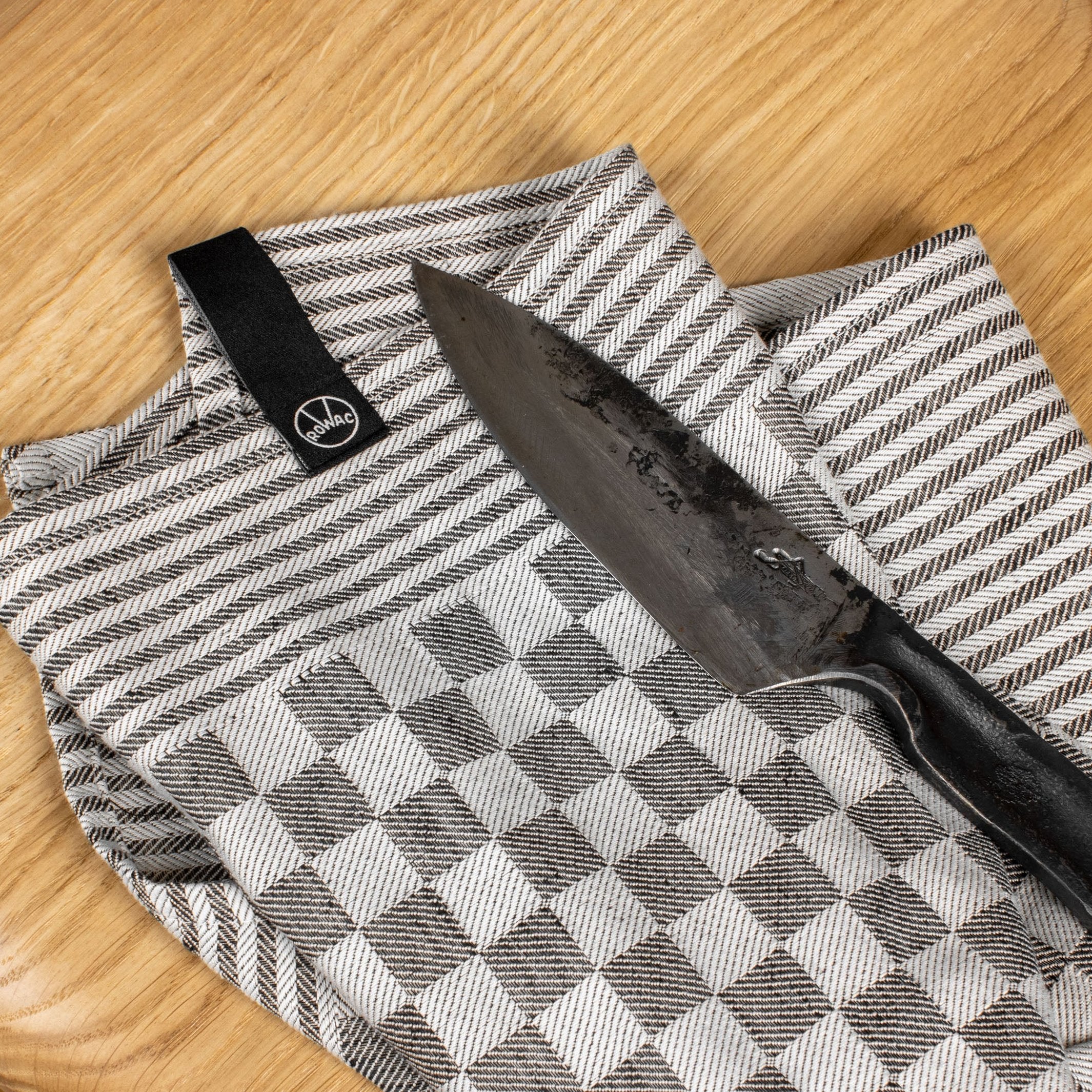
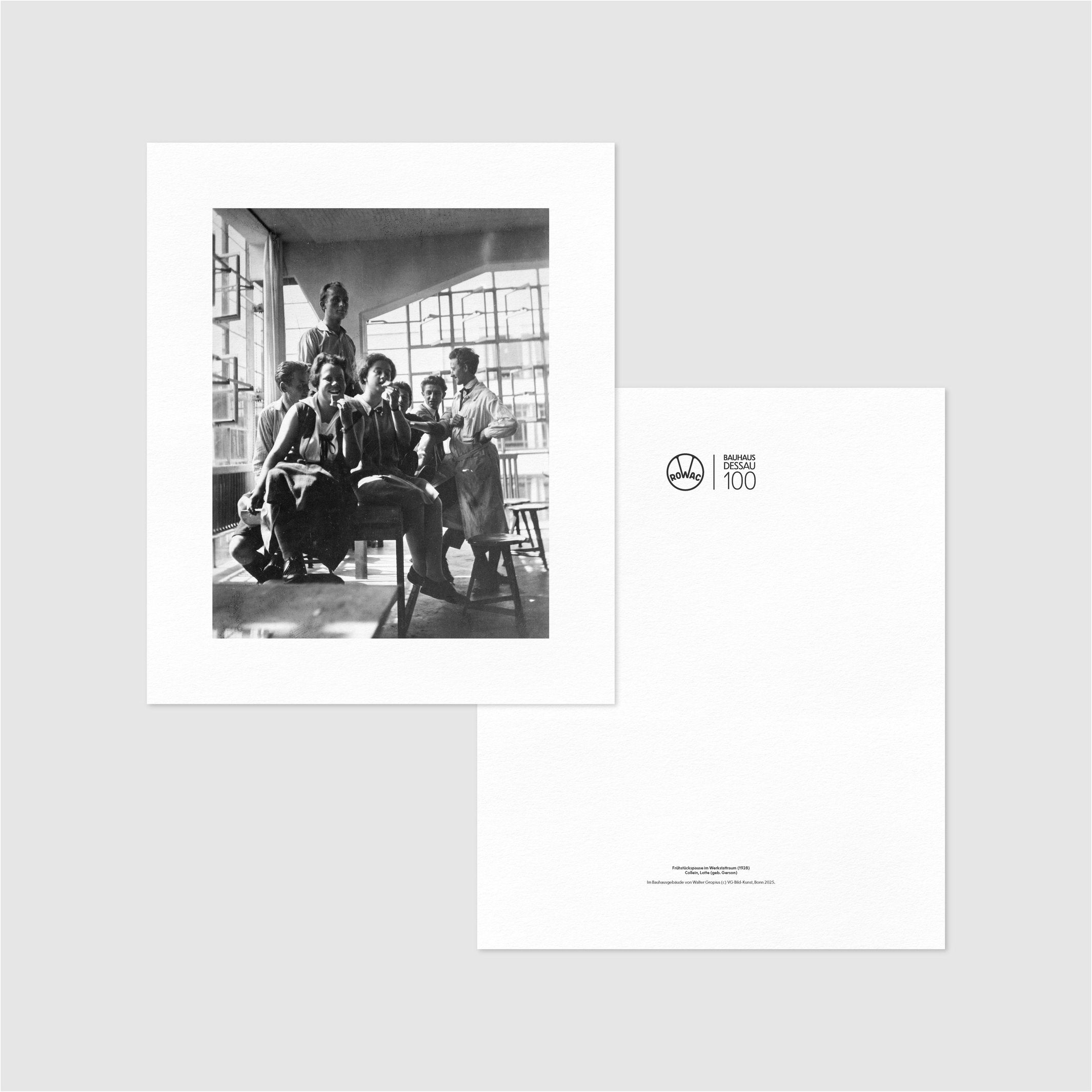
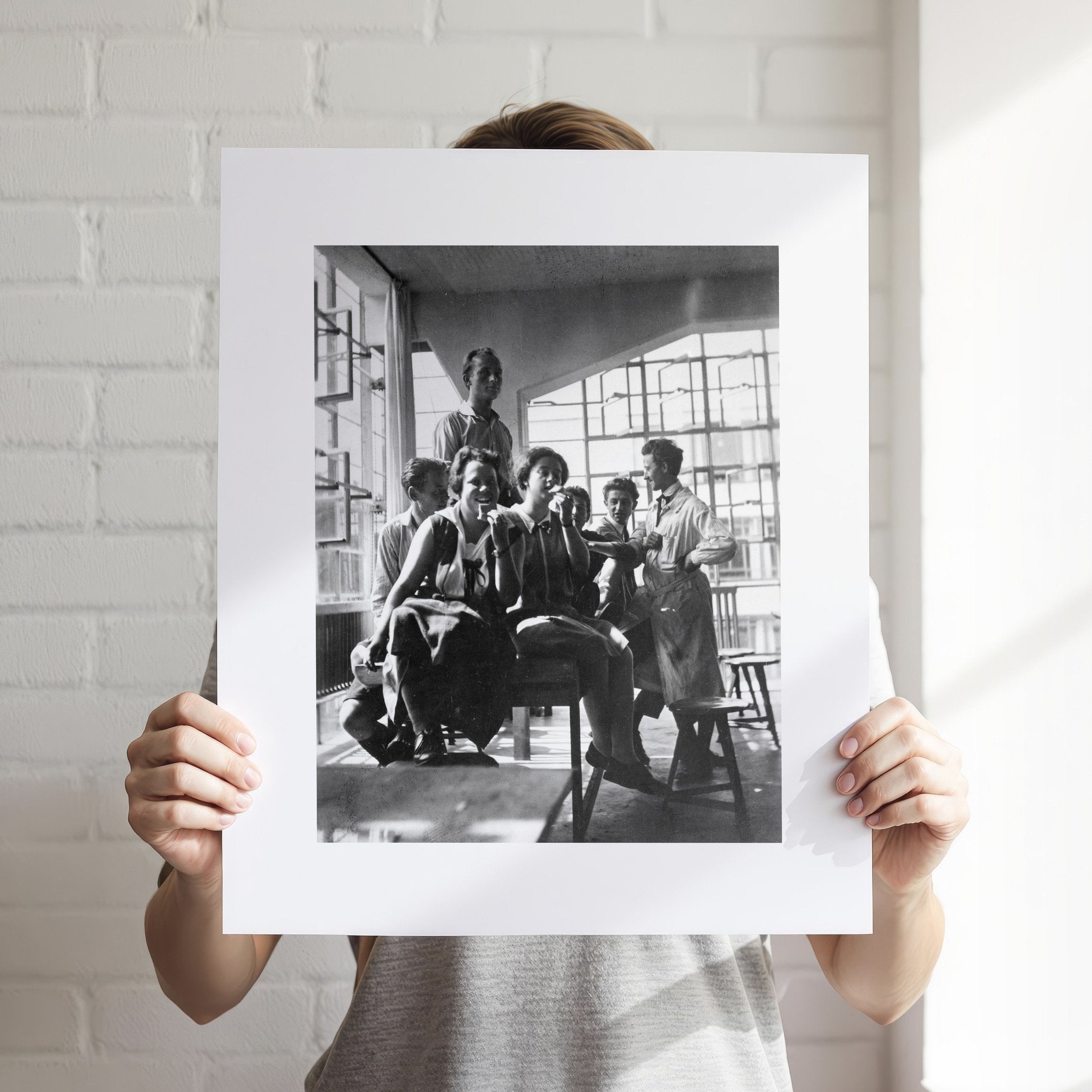
Four products, one story. The "Naked Steel" Schemel (€295) shows the raw steel frame without paint — every bend, every edge visible, pure industrial aesthetics. The "Blueprint Edition" Schemel (€295) reinterprets the classic with a colour scheme inspired by technical drawings. Both stools measure 48 cm seat height and are made in the Erzgebirge region — formed steel strip, solid wood seat, construction as in 1909. Add the "Bauhaus Dessau 100" art print (€95, 50 × 60 cm) — a piece of design history for your wall. And the half-linen workshop cloth (€19, 40 × 50 cm) that belongs in every workshop.
From Chemnitz to the World — The Story Behind the Stool
Karl Robert Wagner was a trained locksmith who founded his hardware factory on Zschopauer Straße in Chemnitz in 1888 — the "Manchester of Saxony". He started with window latches and bottle crates. In 1909 he presented Model I at the Leipzig Trade Fair: the world's first formed steel stool made of lightweight steel strip. The U-shaped bent legs, L-shaped support struts and robust frame construction made the stool virtually indestructible. Walter Gropius chose it in 1926 for the new Bauhaus building in Dessau — Rowac subsequently advertised in the Bauhaus brochure: "The proven Rowac stools are in use in every room of the Bauhaus!" After the expropriation in 1946 in the Soviet occupation zone, production ended. The few surviving originals are now exhibited in museums — at the MAK Vienna, the Industrial Museum Chemnitz, the Bauhaus Dessau Foundation and TU Delft.
Material & Craft — Why This Stool Lasts 100 Years
The reissue follows the historic construction exactly: formed steel strip (not welded), solid wood seat on embossed steel plate, semicircular foot caps for floor protection. Twelve bending and stamping tools were specially reconstructed, as neither technical drawings nor original tooling survived. All production takes place within a 40-kilometre radius in the Erzgebirge — Made in Germany from the first bend to the finished stool. The result is a piece of furniture that feels timeless in its reduction: functionalist design that was never conceived as such, but arose from the pure necessity of the factory.
Rowac vs. Manufactum "Hocker Chemnitz" — Original vs. Copy
Manufactum has sold a nameless stool as "Hocker Chemnitz" (€219) since the 1960s — made in Swabia, powder-coated steel, beech or oak seat, load capacity 100 kg. This product has no connection to the historic Rowac workshop: no brand rights, no reconstructed tools, no production near the original site. The Rowac stool (€295) is the only authorised reissue — Alide & Dieter Amick acquired the brand rights and rebuilt production in the Erzgebirge, close to the original factory on Zschopauer Straße in Chemnitz. Twelve bending and stamping tools were specially reconstructed. The solid wood seat, semicircular foot caps and the entire steel-strip construction follow the 1909 patent exactly. If you want a real Rowac, buy the original — not the Swabian copy.
Frequently Asked Questions
What is Rowac?
Rowac (acronym for Robert Wagner Chemnitz) is a German industrial furniture brand founded in 1888. Karl Robert Wagner invented the steel stool, which from 1909 was used in factories, workshops and schools — including the Bauhaus in Weimar, Dessau and Berlin. After the expropriation in 1946, the brand was revived decades later and now produces the stools faithfully in the Erzgebirge.
Which Rowac products are available at Charles & Marie?
At Charles & Marie you'll find two stool editions — the "Naked Steel" and the "Blueprint Edition" (€295 each, 48 cm seat height), the "Bauhaus Dessau 100" art print (€95, 50 × 60 cm) and a half-linen workshop cloth (€19, 40 × 50 cm).
Where is the Rowac Schemel made?
The reissue is made entirely in Germany — in the Erzgebirge region, within a 40-kilometre radius. Twelve bending and stamping tools were specially reconstructed, as no historic tools or technical drawings survived.
Is the Rowac Schemel an original or a reproduction?
Today's stools are faithful reissues, not antiques. They follow the historic construction exactly — formed steel strip, solid wood seat, semicircular foot caps — and are made using the same methods as the 1909 originals. Historic originals are in museums and traded as antiques.
What does the Rowac Schemel have to do with the Bauhaus?
Walter Gropius chose the Rowac Schemel in 1926 for the workshops and classrooms of the new Bauhaus building in Dessau. Photos from the Bauhaus archive show the stools in the metal workshop, the weaving workshop and with the Bauhaus band. Originals from that era are now held in the Bauhaus Dessau Foundation archive.
Is the Rowac Schemel a good gift?
For design and architecture lovers, the Schemel is an extraordinary gift with a story — a piece of industrial design that has remained unchanged for over 100 years. For a smaller entry point: the "Bauhaus Dessau 100" art print (€95) and the workshop cloth (€19) are also gifts with substance.
What is the difference between Rowac and the Manufactum "Hocker Chemnitz"?
The Manufactum stool is a nameless replica made in Swabia since the 1960s — with no connection to the historic Rowac workshop. It costs €219 and supports up to 100 kg. The Rowac stool (€295) is the only authorised reissue with acquired brand rights, reconstructed original tools and production in the Erzgebirge near the historic Chemnitz site.
Rowac at Charles & Marie — The Bauhaus workshop stool, faithfully made in the Erzgebirge. Steel stools, art print & workshop cloth.
